PPC Advertising
PPC Advertising
If your ads are getting clicks but not calls, the problem is usually not traffic. It is often the message, the targeting, or the landing page sending visitors away before they take action. PPC can drain a budget fast when the campaign is broad, the offer is unclear, or the search terms do not match what buyers actually want.
Tricor Digital Marketing Solutions helps local businesses use paid search and paid social campaigns to reach people who are ready to inquire, book, or buy. We build PPC Advertising around measurable lead generation, so the goal is not just visibility but real sales activity that supports your pipeline.
What PPC should do
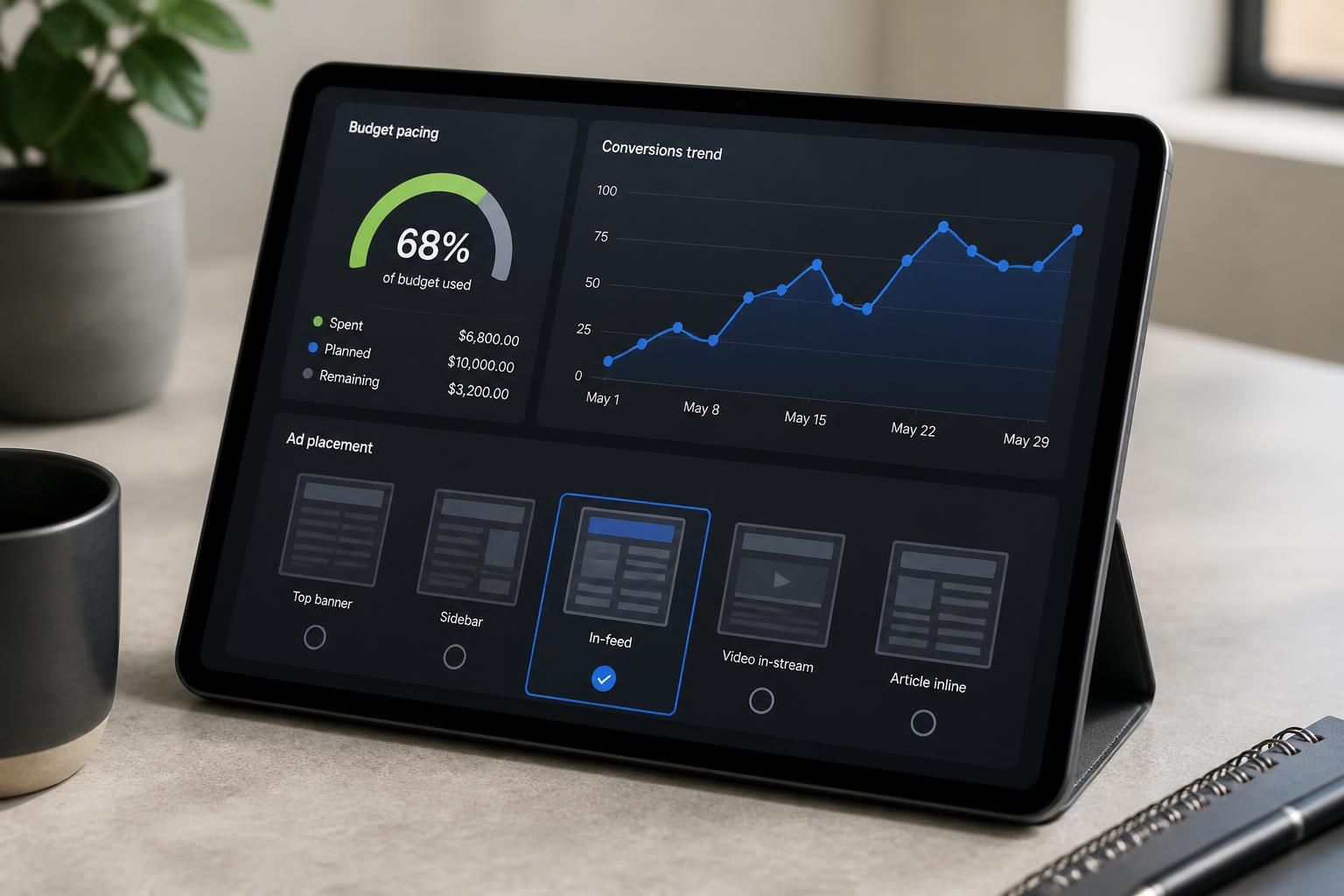
PPC Advertising works best when it captures existing demand. People are already searching, scrolling, and comparing options, and the campaign should place your offer in front of the right audience at the right moment. For local businesses, that means fewer wasted clicks and more qualified inquiries.
With Tricor Digital Marketing Solutions, we shape paid campaigns around your service goals, your audience, and the type of response you want. That can mean phone calls, form fills, booked meetings, or other lead actions that move a prospect closer to becoming a customer.
Common campaign goals
- Lead generation: Focus on people who are likely to send an inquiry or request more information.
- Booked meetings: Direct traffic toward a clear scheduling action.
- Search visibility: Place your business near the top of relevant searches when intent is high.
- Sales pipeline support: Keep qualified prospects moving instead of letting interest fade.
Where campaigns start
Strong PPC starts with a clear offer and a clear audience. If a campaign tries to speak to everyone, it usually attracts clicks from people who are curious but not ready to act. That creates noise instead of leads.
We begin by reviewing what your business sells, who needs it, and which searches or audiences are most likely to convert. Then we map the campaign structure so each ad group, keyword set, and message supports one measurable outcome.
- Audience focus: We narrow the reach to people who match your service needs and buying intent.
- Message alignment: We write ad copy that reflects what searchers are trying to solve.
- Landing page match: We guide traffic to a page that continues the same message and next step.
- Conversion setup: We track the actions that matter, not just the clicks.
Search and social ads
PPC is not one channel with one formula. Search ads and social ads can support different parts of the customer journey, and the right mix depends on your goals. Some businesses need immediate intent from search. Others benefit from repeated visibility on social platforms that keep the offer familiar.
We help local businesses choose the channel mix that supports the result they want. That may include search campaigns for high-intent keywords, social campaigns for audience engagement, or a blend that keeps your name present as prospects evaluate options.
Search campaigns connect your offer to people already looking for a solution. They work well when your service has clear demand and you want to capture active buyers.
Social campaigns can introduce your service to a targeted audience and keep your message visible while they consider their next step. This can be helpful for lead nurturing and brand awareness tied to action.
Search campaigns
Social campaigns
Message that converts
Many PPC accounts lose performance because the message is too vague. A strong ad should make the next step obvious. It should answer what the business does, who it is for, and why the click matters.
We build ad messaging that is specific, direct, and aligned with the landing page. That reduces confusion and helps the campaign attract people who are actually looking for your service instead of casual browsers.
What stronger ad copy includes
- Clear service focus: The ad says what you do without making the reader guess.
- Buyer intent language: The copy reflects the problem the searcher wants solved.
- Action prompt: The ad tells people what to do next.
- Offer clarity: The value of the click is easy to understand.
Landing pages that help
PPC Advertising is only as strong as the page that receives the click. If the page is crowded, slow to explain the offer, or hard to act on, the campaign can lose momentum. The landing page should answer questions fast and make the next step simple.
Tricor Digital Marketing Solutions can support web design and funnel structure so paid traffic has a direct path to conversion. That means the page and the ad work together instead of competing for attention.
A stronger landing page usually includes:
- A focused headline: Matches the promise made in the ad.
- Short supporting copy: Explains the service without overload.
- One clear action: Makes it easy to call, submit a form, or book a meeting.
- Trust-building details: Gives visitors enough context to respond with confidence.
Tracking and reporting
Clicks alone do not tell the full story. A campaign can look active while producing weak leads, or it can appear quiet while driving serious inquiries. Tracking helps you see what is actually happening after the ad is seen.
We use analytics reporting to follow the path from ad engagement to lead action. This makes it easier to identify which keywords, audiences, messages, and landing pages deserve more budget and which ones need adjustment.
- Measure the right actions: Focus on calls, forms, and booked meetings rather than traffic alone.
- Review lead quality: Check whether the inquiries match your ideal customer profile.
- Adjust based on data: Shift spend toward the parts of the campaign that bring stronger results.
- Watch the funnel: Look at the full journey from impression to conversion.
How we manage it
PPC management should not feel like guessing with a budget. It should feel like a structured process with clear next steps and steady review. At Tricor Digital Marketing Solutions, we focus on campaign planning, message refinement, and conversion tracking so the account stays tied to business outcomes.
We also look at how PPC fits with your other marketing systems. Paid traffic can work even harder when it connects with SEO, email marketing, message marketing, and automated follow-up that keeps prospects engaged after the first click.
Typical management priorities
- Keyword selection: Choosing terms that match actual buying intent.
- Audience refinement: Narrowing reach to the right prospects.
- Ad testing: Comparing messages to see what gets stronger response.
- Conversion improvement: Removing friction from the path to inquiry.
Signs you need help
If you already run PPC but the results feel uneven, the issue may be easy to spot once you know where to look. Some campaigns spend steadily while the leads stay thin. Others bring leads that are not a fit. In both cases, the account may need sharper direction.
Common signs a campaign needs attention include:
When those patterns show up, a campaign reset can help turn wasted traffic into a cleaner lead flow.
- High clicks, low inquiries: People are visiting but not taking action.
- Unclear lead quality: The responses do not match your target customer.
- Weak message match: The ad promise and landing page do not feel connected.
- Limited follow-up: Leads arrive, but there is no system to keep the conversation moving.
FAQ
PPC Advertising Frequently Asked Questions
Next Service
Social Media Marketing